At AGELC, we believe meaningful learning happens when children are curious, engaged, and connected to the world around them. Our Forest Animals learning experience is designed to spark that curiosity while building essential early childhood skills.
Through hands-on exploration of animals that live in the forest, children develop language, critical thinking, social skills, and a deeper understanding of nature.
Understanding Forest Habitats
Forests are rich ecosystems filled with diverse plants, trees, and wildlife. When children learn about forest habitats, they are not simply memorizing animal names. They are learning:
1. How living things depend on their environment
2. The difference between herbivores, carnivores, and omnivores
3. How animals adapt to survive
4. Why caring for nature matters
At AGELC, we introduce these concepts through interactive discussions, storytelling, sensory play, art activities, and guided exploration.
Forest Animals We Explore:
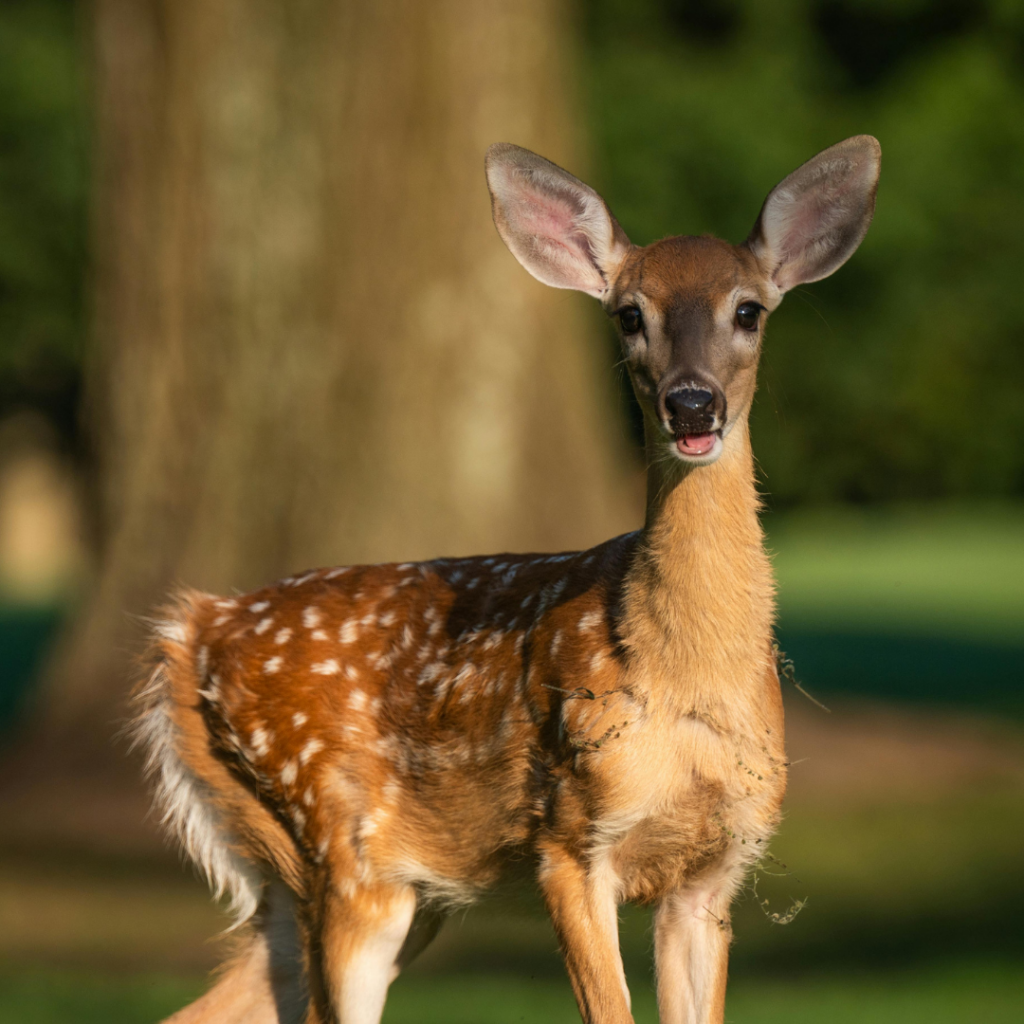
🦌 Deer: Gentle Plant Eaters
What they eat:
-Deer are herbivores. They eat grass, leaves, fruits, nuts, and even tree bark in winter.
Where they sleep:
-They rest in grassy areas or under thick bushes to stay protected.
What children learn at AGELC:
-The concept of plant-based diets
-Vocabulary development (antlers, hooves, habitat)
-Observation skills through animal comparisons
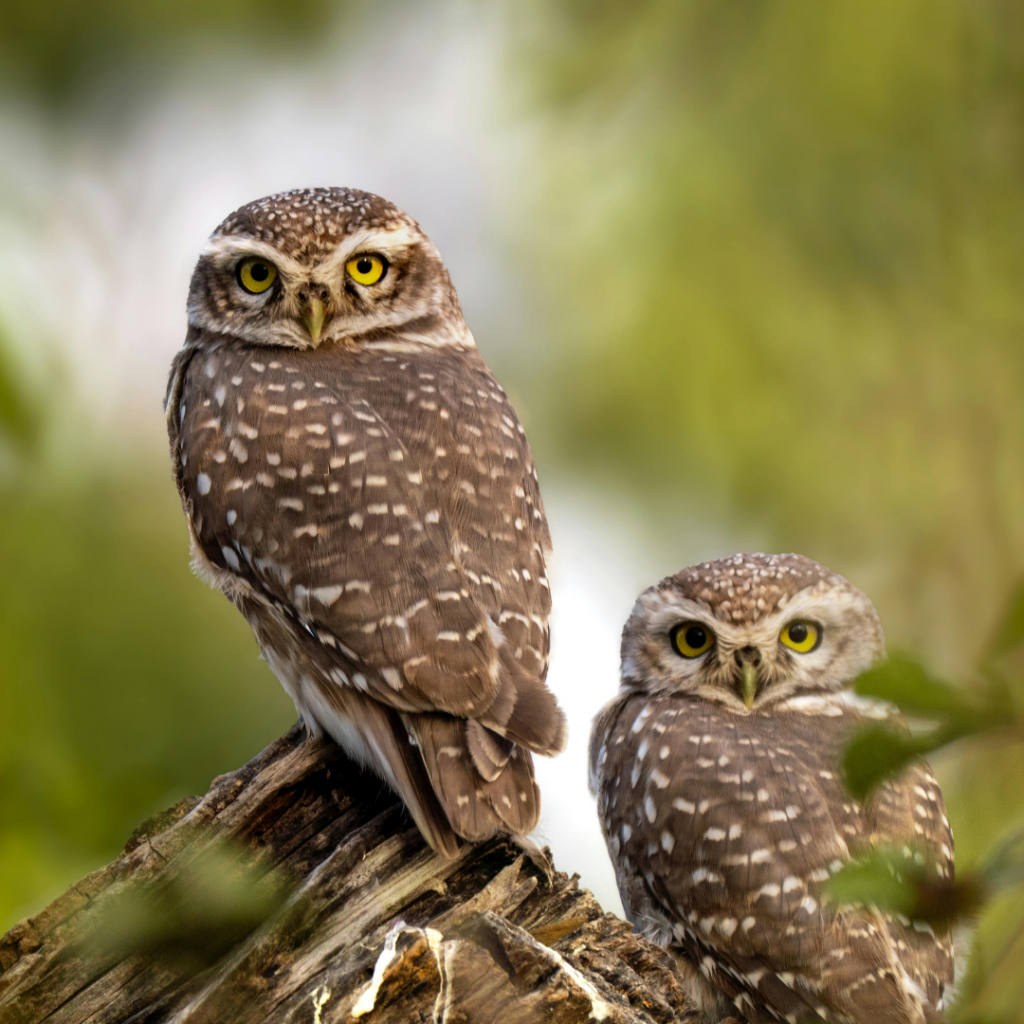
🦉 Owls: Nocturnal Hunters
What they eat:
-Owls eat small animals like mice and insects.
Where they sleep:
-They rest in tree hollows during the day and hunt at night.
What children learn at AGELC:
-Day vs. night concepts
-Animal adaptations
-Listening skills through sound-based activities
We incorporate movement games, where children explore how owls move quietly, strengthening coordination and body awareness.
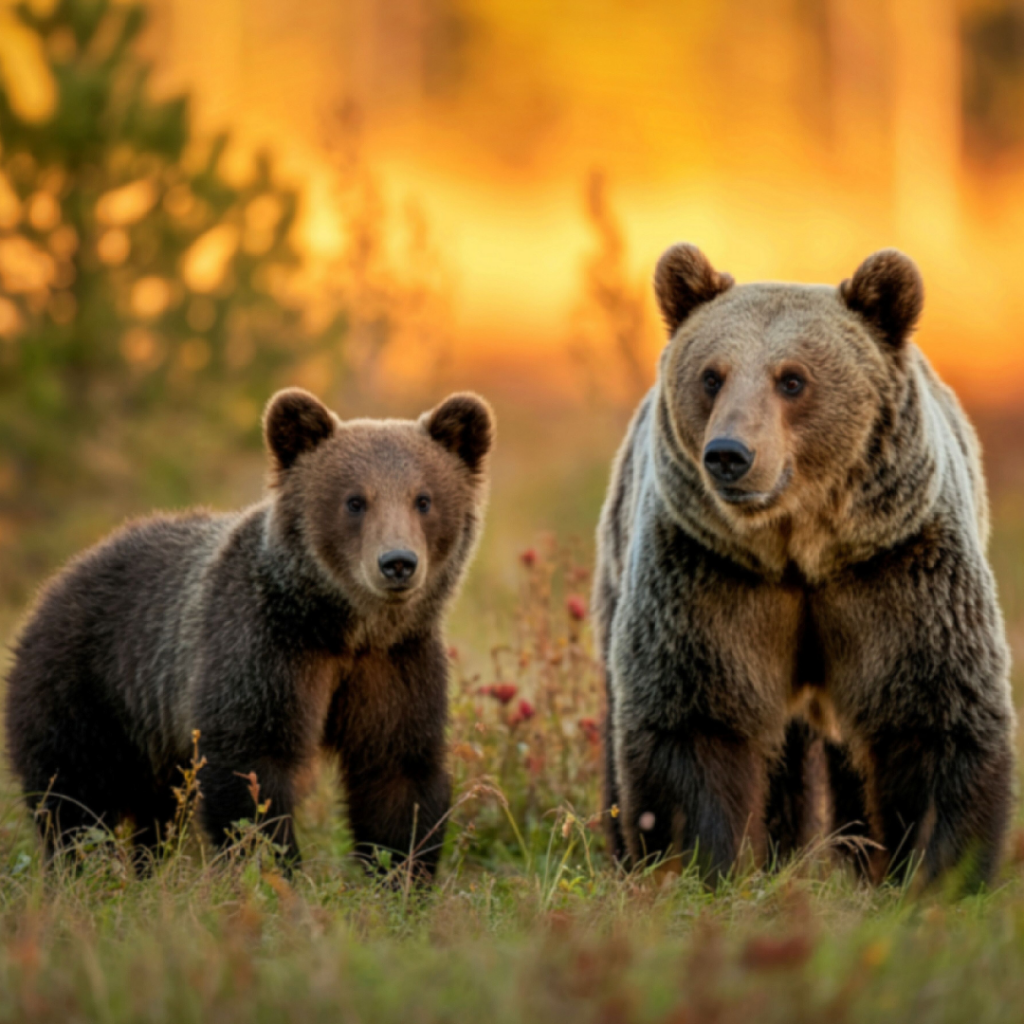
🐻 Bears: Seasonal Survivors
What they eat:
-Bears are omnivores. They eat berries, fish, insects, and plants.
Where they sleep:
-Some bears hibernate in dens during winter.
What children learn at AGELC:
-Seasonal changes
-The concept of hibernation
-Problem-solving through imaginative play
Children participate in dramatic play activities, building “dens” and exploring the idea of preparing for winter.
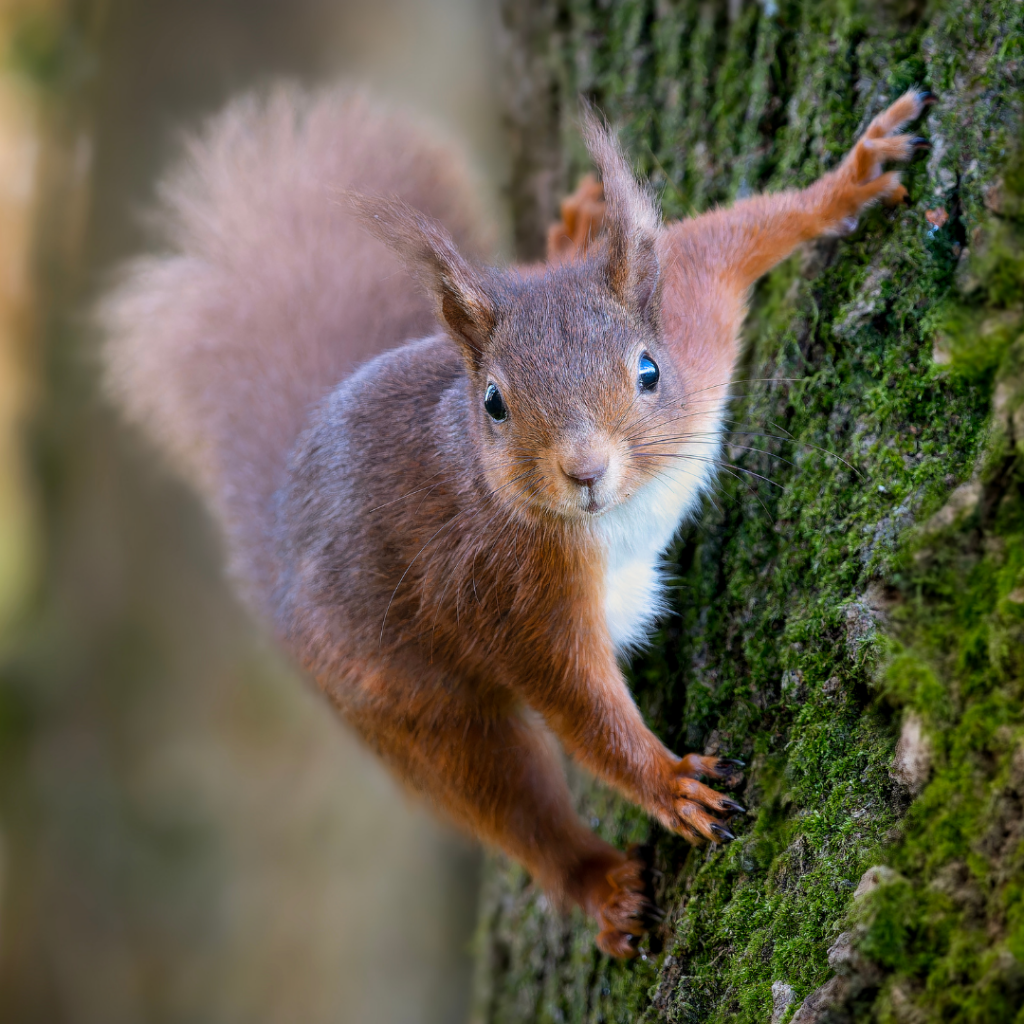
🐿️ Squirrels: Nature’s Planners
What they eat:
-Squirrels eat nuts, seeds, and fruits.
Where they sleep:
-They build nests called dreys in trees.
What children learn at AGELC:
-Planning and preparation
-Fine motor development through sorting and counting activities
-Early math concepts while “storing” food
How This Supports Your Child’s Development
At AGELC, every learning theme is intentionally designed to support:
- Language Development
-Children expand vocabulary as they describe animals, habitats, and behaviors. - Social and Emotional Growth
-Through group discussions and collaborative activities, children practice sharing ideas, taking turns, and respecting different perspectives. - Cognitive Development
-Learning about animal diets and habitats strengthens categorization, comparison, and reasoning skills. - Creative Expression
-Art projects, storytelling, and dramatic play allow children to process and express new knowledge in meaningful ways.
How Families Can Extend Learning at Home
Parents play a vital role in reinforcing classroom learning. You can support your child by:
1. Reading books about forest animals
2. Visiting a park or nature trail
3. Asking open-ended questions such as, “Why do you think the bear needs a den?”
4. Encouraging your child to draw or talk about their favorite forest animal
When school and home work together, learning becomes deeper and more lasting.